
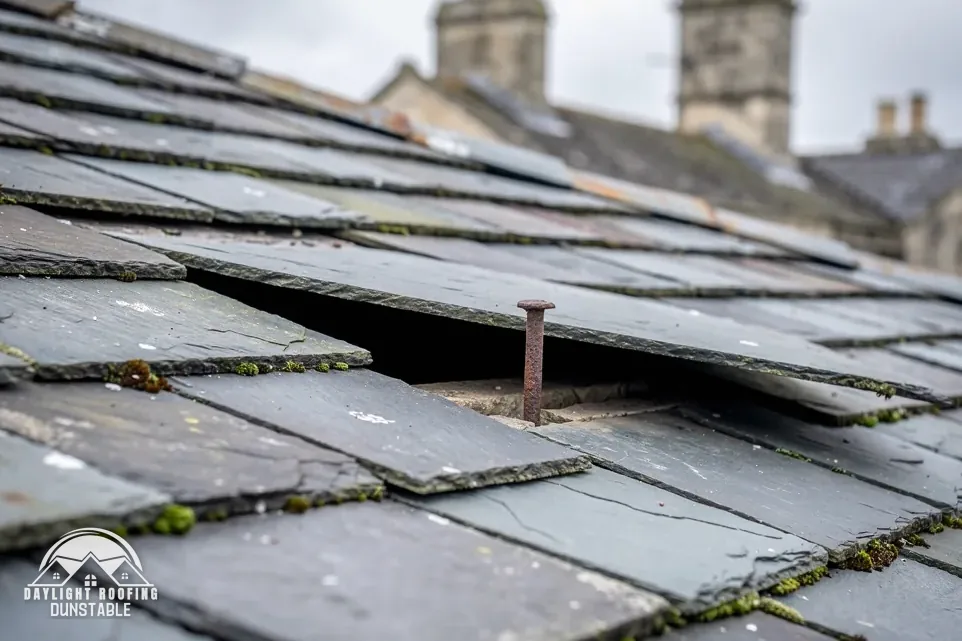
Two jobs, so two separate costs
A roof emergency is dealt with in two stages, and each carries its own cost. The first stage makes the roof safe: closing an opening, covering exposed timber, securing anything loose. The second is the permanent repair, which restores the covering and whatever lies behind it.
It is easy to read a figure for the first stage as the price of the whole job. It is not. A call-out to cover a hole says little about the second stage, because the permanent repair depends on a survey of the roof, the materials needed and the access required. A modest first bill can lead to a large second one, and a large first bill does not set the second.
Keeping the two apart also protects you in a conversation with a roofer. Ask what the first visit consists of, what it leaves undone and how the permanent work will be priced. A clear answer separates the urgent, short-lived part from the lasting repair, and it keeps you from agreeing to one when you thought you were agreeing to the other.
The quote for the permanent stage is written down after a survey. The temporary roof covers page describes what the first stage involves, and the emergency roof repairs page puts both stages in order.
What published call-out figures say
MyJobQuote publishes a page on emergency roofers, last updated on 22 October 2026. It says: "Emergency roofer call-out costs typically range from £150 to £300, while extensive storm damage repairs can cost £1,200 or more." That is one cost guide's range, and it describes two kinds of work, not a price list.
| Kind of work | Published figure |
|---|---|
| Emergency call-out | £150 to £300 typically |
| Extensive storm repairs | £1,200 or more |
Read the two figures with care. The call-out range, typically £150 to £300, is for attending: MyJobQuote says call-out costs may cover attendance and inspection work, with labour, materials and access likely to cost extra. The £1,200 or more belongs to extensive storm damage repairs, and it marks the scale of a large job, not a price for a single slipped tile. Neither figure is a price for repairing a chimney, a flat roof or a whole slope.
A figure from a guide tells you the scale of what to expect, so that a quote can be judged. It cannot tell you whether a particular quote is right. For that you need the written quote, and what it says it covers. The what counts as a roofing emergency page helps decide whether the situation needs a call-out at all.
What moves the price up or down
Four things drive the difference between two emergency repairs, and none of them is visible in a published average. They are the height and access, the extent of the damage, the type of roof and what is hidden beneath the visible fault.
- access: a low roof reached by ladder differs from a high one needing scaffold
- extent: a few tiles compared with a whole slope or a collapsed section
- roof type: pitched tile, slate, flat membrane or a chimney each need different skills and materials
- hidden damage: wet timber, torn underlay or a failed deck found once the covering is lifted
Access comes first. A single-storey roof within ladder reach is a different task from a three-storey house where the damage sits above a conservatory. Where height demands it, scaffolding comes into the job and into the quote. A steep, high or awkward roof costs more to reach safely, and a roof with a conservatory, a lean-to or a narrow side passage can raise the effort further, because materials and people have to travel a longer way to the damage.
Hidden damage cannot be priced from the ground. A leak may have wetted battens or insulation that need replacing, and the extent only shows once the covering is opened. That is why a written price follows a survey and does not come over the phone, and why a figure quoted from a photograph is a starting point and not an agreement. A roofer who commits to a total sight unseen is either guessing or planning to revise it.
Smaller repairs compared with storm-scale damage
Not every storm leaves a roof needing major work. A few tiles lifted or lost is a small repair, and the published figures reflect that. A November 2025 survey of 11 Which? Trusted Traders gave £75 to £400 excluding VAT for putting right a handful of damaged tiles, from one to six.
On MyJobQuote, a page updated on 6 October 2026 says "The average roof repair cost is around £650 in 2026." A separate page, also dated 6 October 2026, gives "around £215" for replacing roof tiles on average. These are separate measures drawn from separate pages. They sit between the call-out range and the £1,200 or more for extensive storm damage, which fits the idea that costs climb as the damage widens.
Do not add these together, and do not set one source against another as though they measured the same thing. Which? gave a range for a defined small repair, and MyJobQuote gives averages of its own. The useful comparison is between what a roofer says a repair will include and what the published scale suggests for that size of job.
If a quote for a few lost tiles sits far above that scale, or far below it, ask why. The explanation might be access, a hidden fault or an unusual tile, and a roofer who has surveyed the roof can say which.
Storm damage, insurance and the bill
Where a storm caused the damage, the cost may fall partly or wholly on your home insurance, which is why it matters to tell the insurer early and keep what they ask for. One policy covers what another leaves out, and excesses vary, so read yours or ask the insurer rather than assuming.
The Financial Ombudsman Service describes how it reads a storm: "a storm usually involves violent winds, usually with rain, hail or snow", and it says that "Rain, hail or snowfall by itself can constitute a storm." It will also "usually look at expert reports and photos", so a dated set of pictures, shot before debris is cleared, helps.
Keep receipts for the emergency work and for anything you buy, and hold on to any slates, tiles or timber that were removed until the insurer agrees they can go. If a claim is turned down, the same service gives a time limit: "For most complaints, a business has up to 8 weeks to consider a complaint." A separate 6-month limit for going to the Ombudsman is counted from the date of a final response, so the two periods are not simply added together.
Storm damaged roof and insurance takes the claim step by step. What the policy pays is for your insurer to confirm, so put that question to it directly.
Access and scaffold on a repair
Some emergency repairs call for scaffold, and scaffold standing over a footway or carriageway raises a legal point. Section 169 of the Highways Act 1980 requires a scaffold licence for any scaffolding that obstructs the highway, granted by the highway authority, and which council that is depends on the road. Trunk roads are a different authority's again.
On this point the firm's position is simple: we arrange the licence with our scaffolder. A scaffold that stands wholly on your own land involves no highway licence, and a roofer can tell you which case applies once they have seen the house.
Scaffold is not needed for every emergency. A temporary cover on a low roof can be fitted using a roof ladder, while a large slope or a high chimney calls for safe access that a ladder cannot give. When a job needs it, scaffold forms part of the figure on the written quote.
Be cautious of any roofer who proposes working at height with no access equipment because the job is urgent. Urgency does not change the risks, and a fall from a roof can cause serious injury. Working at height needs equipment, training and a plan, and the cost of those is part of why a proper repair is priced as it is.
Questions to ask before you agree to anything
A few direct questions bring the useful detail out of a roofer, and none of them is rude. Ask what the first visit includes, what will be left for the permanent repair, and how the permanent repair will be priced. Ask whether the price follows a survey, and what the quote does and does not cover. Write the answers down while you are on the phone, or ask for them by message so they exist in writing.
- what exactly will be done on the first visit
- what is left for the permanent repair
- whether a survey precedes the written price
- what the quote covers, and what it leaves out
Compare quotes by what each says it covers, not only by the figure at the bottom. Two totals are not comparable when one includes work the other leaves out. A low-looking quote can turn out dearer once the gaps are filled, so read the description of the work before the number. Where two quotes disagree, ask each roofer to explain the difference in plain words, and ask the same questions of both so the answers can be set side by side.
Whoever knocked or was rung, a contract signed at home can be cancelled within 14 days; only an urgent repair visit you specifically requested has no such right. Doorstep roofers after a storm sets those rights out in plain words, with the warning signs to look for.