
The short answer
Renewing or adding lead on a house roof is a roof alteration, and GOV.UK's technical guidance says Class C covers alterations such as re-roofing. A listed building brings its own consent rules, an Article 4 direction can remove rights, and for a church the denomination decides whether a system of its own replaces listed building consent.
Where leadwork sits in the planning rules
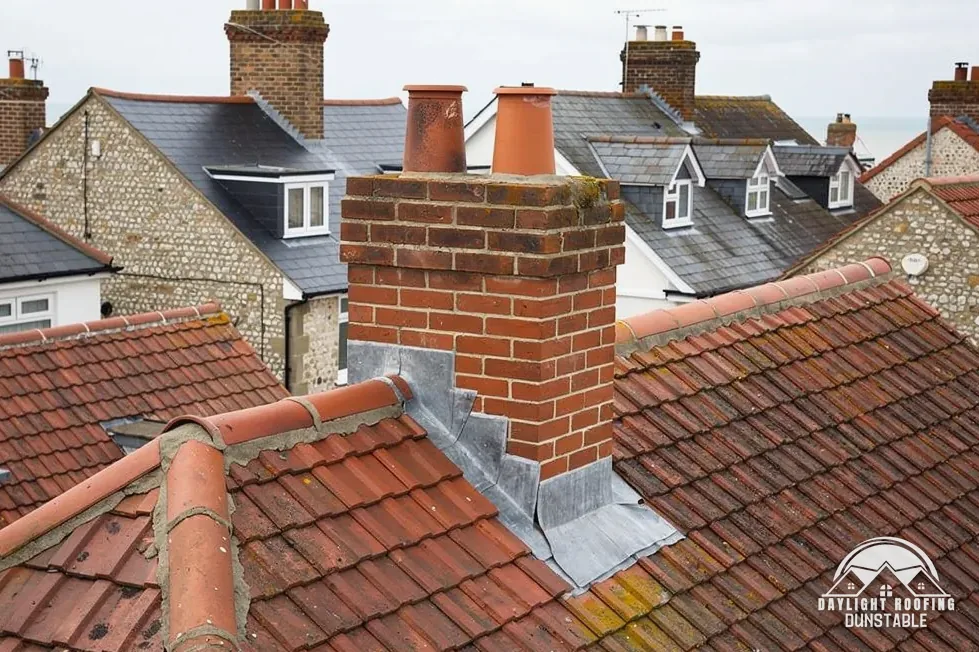
Householder planning rules are set out in the General Permitted Development Order, which lets certain jobs go ahead without an application, and the order is arranged in numbered classes. Class C of that order is headed "Any other alteration to the roof of a dwellinghouse", and GOV.UK's technical guidance says: "Class C covers other alterations to roofs such as re-roofing or the installation of roof lights/windows." New lead flashings, valleys, aprons and bay roofs on a house are alterations to the roof covering, which is the ground that class deals with.
Each class has conditions attached, and those for Class C are set out in full in the planning permission for roof work guide, which is the right place to read them before relying on them. This page keeps to the narrower question of where lead work might need something more than permitted development.
Flats are left out of householder permitted development altogether, which makes the council the first call for roof work on a flat, and it is better to ask than to assume. Planning is one matter and Building Regulations is another, and the second comes up below.
When consent comes first
A handful of situations alter the picture. In each, ask the council, or the church's own authority, before anything is ordered.
- A listed building. The permitted development classes still exist for a listed home, but a listed home's consent rules apply to work done "in any manner which would affect its character as a building of special architectural or historic interest".
- An Article 4 direction. A direction cancels chosen permitted development rights over a named patch of ground, and each council keeps its own list, so ask whether one covers the street.
- A conservation area. Check with the council here too, because the area's own rules sit alongside the general ones.
- A Church of England church in use takes the faculty route in place of listed building consent, and the Faculty Jurisdiction Rules place "The like for like replacement of roof lead or other material covering the roof of a listed building" in List B, a short list of jobs that stop short of a full faculty.
Unitarian and Quaker meeting houses that are listed fall outside that exemption, and listed building consent applies to them. Churches in use that are Roman Catholic, Methodist or United Reformed are dealt with by their own denominations' arrangements. For a church, the denomination comes first, since the route follows from it, and the council can still be involved where ordinary planning tests apply to exterior work.
Building Regulations, access and the next step
Planning permission and Building Regulations approval are separate things. The Planning Portal sets out two limits for re-roofing: "Less than 25 per cent of the total 'building envelope'" affected and "Less than 50 per cent of the roof is affected". A small flashing repair sits well inside both, while a complete new covering goes beyond the second. If in doubt, ask the council's building control team; the work is overseen by it or by a registered building control approver.
Access brings a licence of its own. If scaffold has to sit on the public footway or carriageway, the highway authority licenses it, and we arrange the licence with our scaffolder. Flashings at a gable or around a stack can need that kind of access, so it helps to know about the licence at the outset.
The route through is brief. Establish whether the building is listed, sits in a conservation area or lies under an Article 4 direction, put the question to the council if any of those fits, and then have the roof surveyed. Our quote is one sum, and it is written down after the survey of the roof.
The lead itself is described on the lead roofing page, and the repair or replace lead flashing guide shows how a repair is judged.