
The short answer
Yes, a mortar ridge can be converted by removing the old bedding, fixing a ridge batten and fitting a dry-fix system that holds the tiles mechanically. BS 8612:2018 is the specification for dry fixing. Whether the existing ridge tiles go back on depends on their condition and on the system's fittings.
What the conversion involves
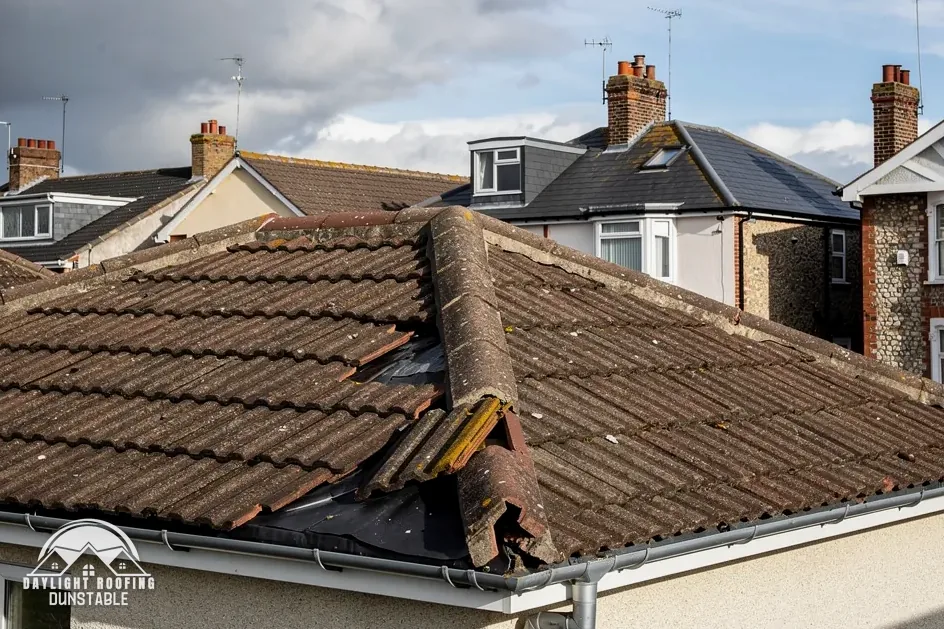
A mortar ridge is a run of ridge tiles bedded on mortar along the apex, the line where the two slopes meet. Converting it means taking that bedding away and putting a mechanically fixed system in its place. The old mortar is chipped out and the ridge tiles are lifted off. The apex is then cleaned back so the timbers and the tops of both slopes can be seen.
| Part | Mortar ridge | Dry ridge |
|---|---|---|
| Holding the tiles | A mortar bed | Clips or screws |
| Base | Mortar on the tile tops | A ridge batten |
| Joints | Pointed mortar | Fittings made for the system |
- A ridge batten is fixed along the apex, set to the roof's pitch.
- The dry-fix fittings are attached to the batten, with the maker's instructions followed for spacing.
- Ridge tiles are laid along the line and held by clips, screws or both.
- End caps and joining pieces made for the system finish each run.
The batten and fittings have to suit the tile profile, so a system is chosen for the roof rather than the other way round. Where the ridge meets hips, those junctions have dry-fixed fittings of their own. The work happens at height, so a roofer carries it out, never a homeowner on a ladder from the garden.
Standards, tiles and the existing roof
Two standards frame the change. BS 8612:2018 is current and is the specification for dry fixing along a ridge, at hips and beside gables. BS 5534:2014+A2:2018, a code of practice covering slating and tiling work, is current too. Marley, the tile maker, says that since the 2015 amendments mortar "could no longer be relied upon as the only means of securing the roof covering", and also that installing to BS 5534 "isn't required by law". The code is not an Act of Parliament, but it is the document a written fixing specification can name.
Whether the old ridge tiles go back on is a separate question. Sound ones can sometimes be fitted to a dry-fix system, though that depends on the profile and on whether the system's fittings suit it. Cracked or crumbling tiles are replaced, and a matching tile has to be found for any that are. The survey settles all of this before anything is ordered.
A conservation-area or listed house may bring extra checks, so ask the council before work starts whether a conversion touches planning or Building Regulations. The planning permission guide sets out the planning side, and the dry ridge system answer describes how a finished dry ridge is put together.
What a conversion costs
Published figures exist for ridge tile work, though none is a price for converting a whole ridge. Which? Trusted Traders, in a survey of 11 traders in November 2025, gave £80 to £300 for one new ridge tile, with VAT left out. MyJobQuote, on a page updated on 1 October 2026, gives the average ridge tile replacement as between £225 and £550. The two come from different sources describing different jobs, so they are shown side by side and not joined into one range.
A conversion runs the full length of the ridge and takes in a batten, fittings and end pieces, so the number of tiles replaced is only part of what sets the figure. Length, access to the apex and the state of the timbers beneath all count. Daylight Roofing surveys the roof and gives one written total price afterwards. Hips are handled the same way, since the ridge figures do not stretch to them.
For the wider picture see the ridge tile repair costs page, and re-bedding versus dry ridge sets the two routes side by side. All of it sits under ridge and verge repairs.